
DIY Shingle Roof Repair: What You Can Do and When to Call the Pros
Repairing a shingle roof can be a rewarding DIY project if you have the right tools and knowledge. However, it's crucial to know when a repair is within your capabilities and when it's time to call in the professionals. In this post, we'll explore some common shingle roof repair tasks you can handle yourself and when to seek expert help.
Identifying Common Shingle Roof Problems
Before diving into repairs, it's essential to identify the issues affecting your roof. Common problems include missing shingles, curling, and leaks. Regular inspections can help you spot these signs early, preventing more severe damage.
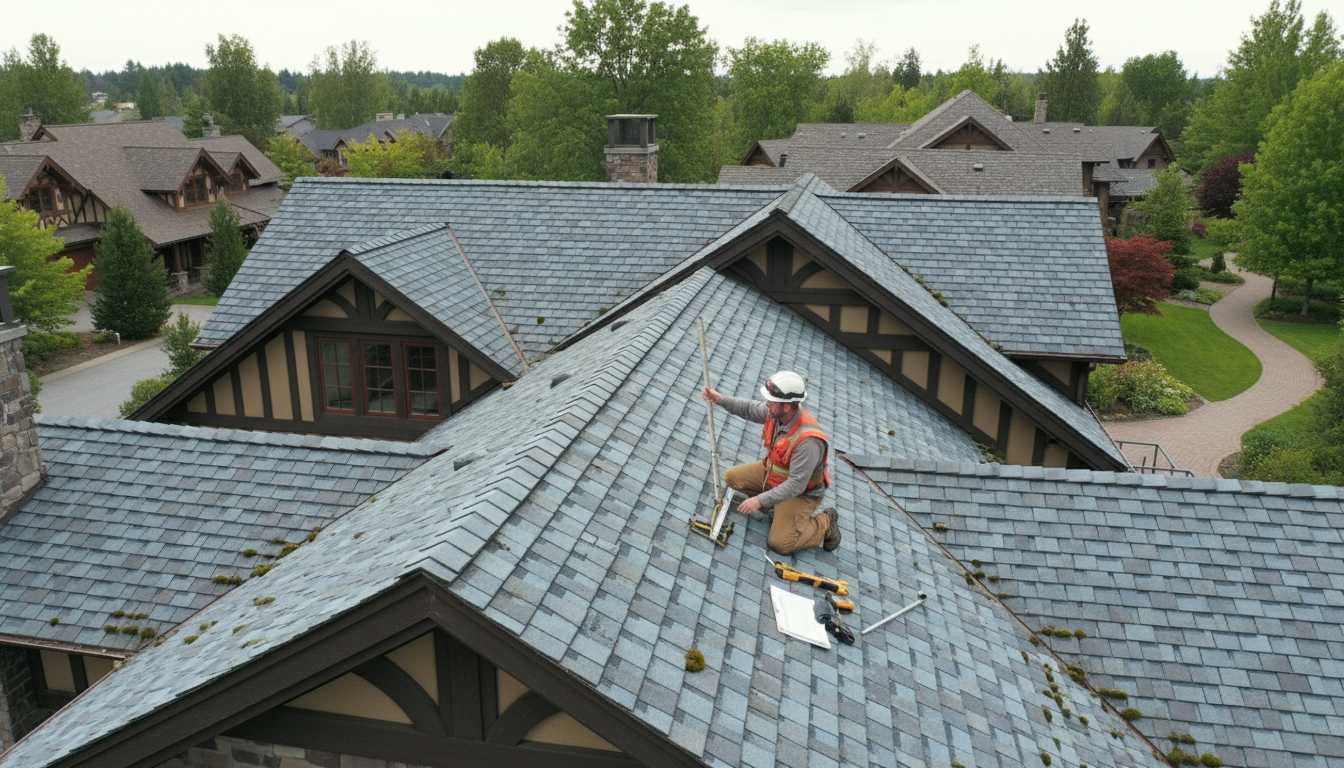
When inspecting your roof, look for any visible damage, such as cracked or buckled shingles. Also, check for any granules in your gutters, as this can indicate wear and tear. If these issues are minor and localized, you might be able to tackle them yourself.
Tools and Materials You’ll Need
For most DIY shingle repairs, you'll need a few essential tools and materials. Here's a quick checklist:
- Roofing nails
- Hammer
- Roofing cement
- Replacement shingles
- Utility knife
- Pry bar
Having the right tools on hand will make the repair process smoother and more efficient.
DIY Shingle Replacement
Replacing a missing or damaged shingle is a straightforward task if you follow the right steps. Start by carefully lifting the damaged shingle with a pry bar and removing any nails. Slide the new shingle into place and secure it with roofing nails, applying roofing cement to seal it.
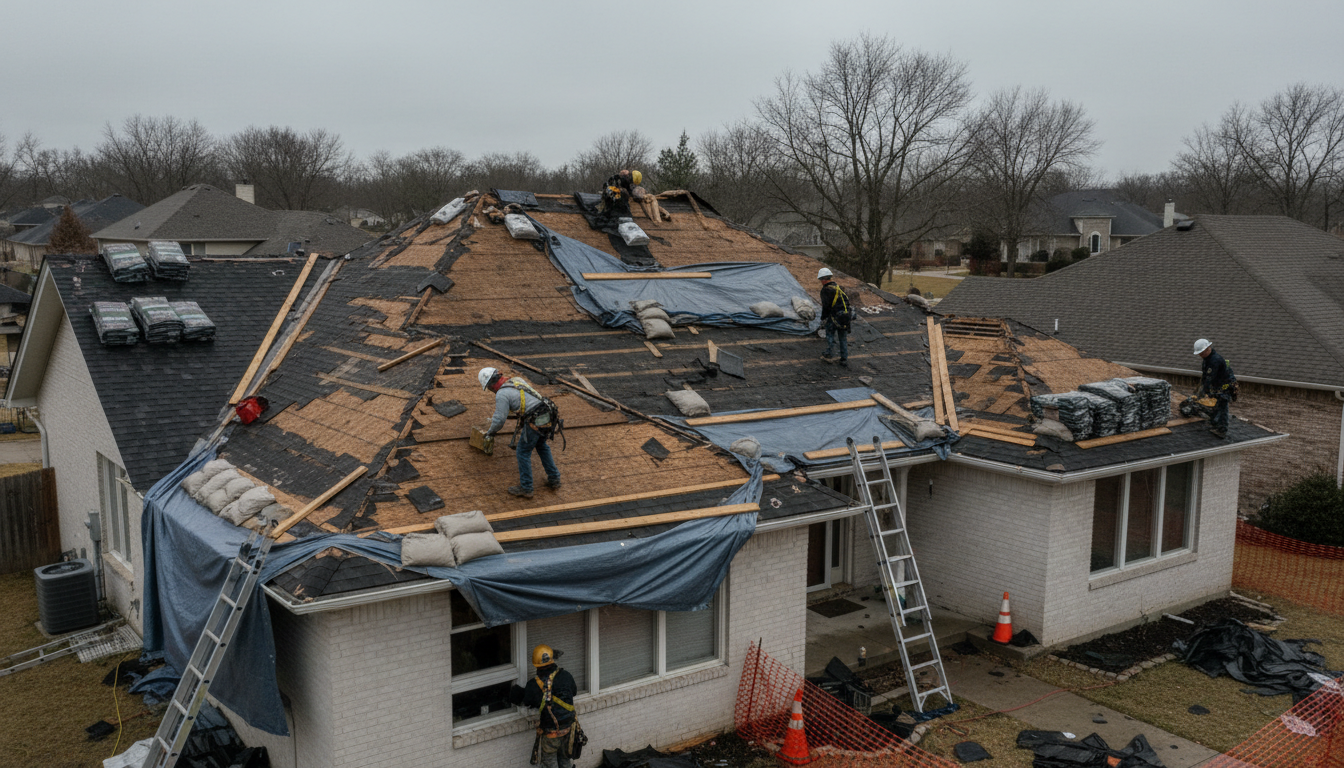
Ensure the new shingle aligns perfectly with the existing ones to maintain a seamless look. This process can be repeated for any other damaged or missing shingles on your roof.
When to Call the Professionals
While many shingle repairs can be handled independently, some situations demand professional expertise. Consider calling a roofing contractor if:
- The damage covers a large area.
- You're dealing with structural issues.
- Leaks persist despite multiple repairs.
Professionals have the experience and equipment to handle extensive repairs safely and effectively.
Safety Precautions
When working on a roof, safety should be your top priority. Always use a sturdy ladder and wear non-slip shoes. If possible, have someone spot you while working on the roof to ensure additional safety.
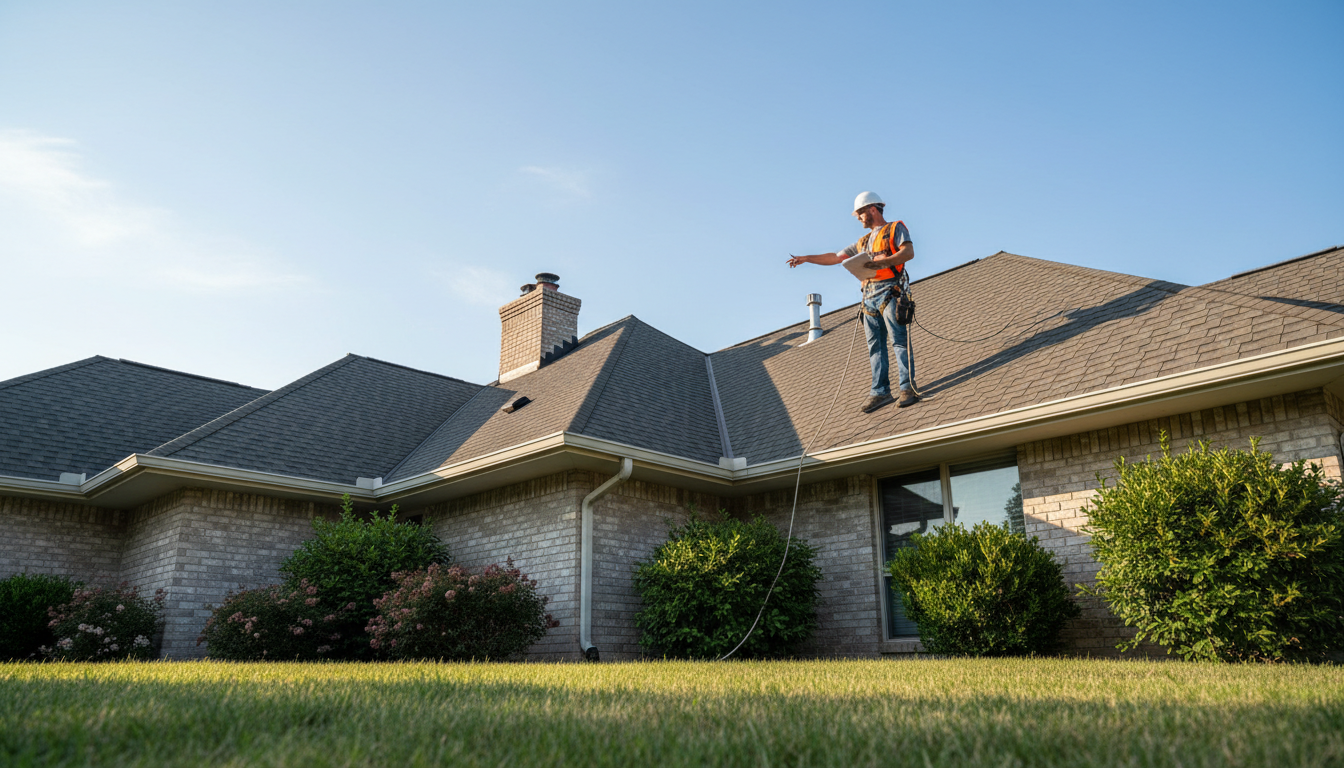
Remember, if you're ever uncertain about a repair, it's better to err on the side of caution and consult a professional.
Conclusion
DIY shingle roof repair can be a cost-effective way to maintain your home. By identifying common issues and using the right tools, you can manage minor repairs yourself. However, knowing your limits and when to call a professional is crucial to ensuring your roof remains in top condition.