
DIY Tips for Minor Roof Repairs in Sugar Land
Understanding Roof Types and Materials
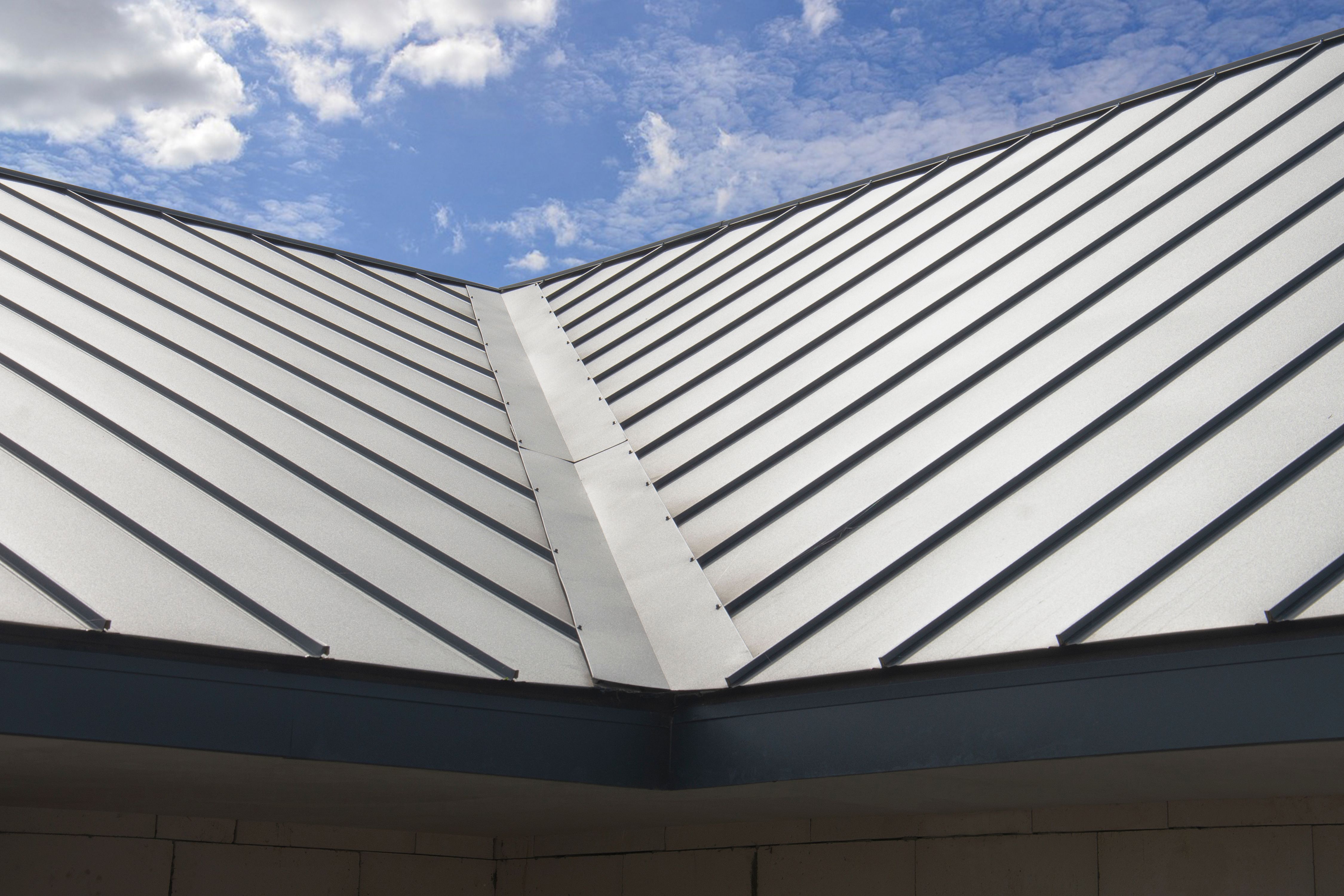
Before diving into roof repairs, it's crucial to understand the type of roof you have. Common roofing materials in Sugar Land include asphalt shingles, metal, and tile. Each material has its own repair techniques and tools, so knowing what you're working with can save you time and effort.
Assessing the Damage
Perform a thorough inspection of your roof to determine the extent of the damage. Look for missing or cracked shingles, leaks, and any visible wear and tear. It's best to conduct this inspection during daylight hours when visibility is optimal. Safety first: always use a sturdy ladder and have someone with you if possible.
Basic Tools and Safety Gear
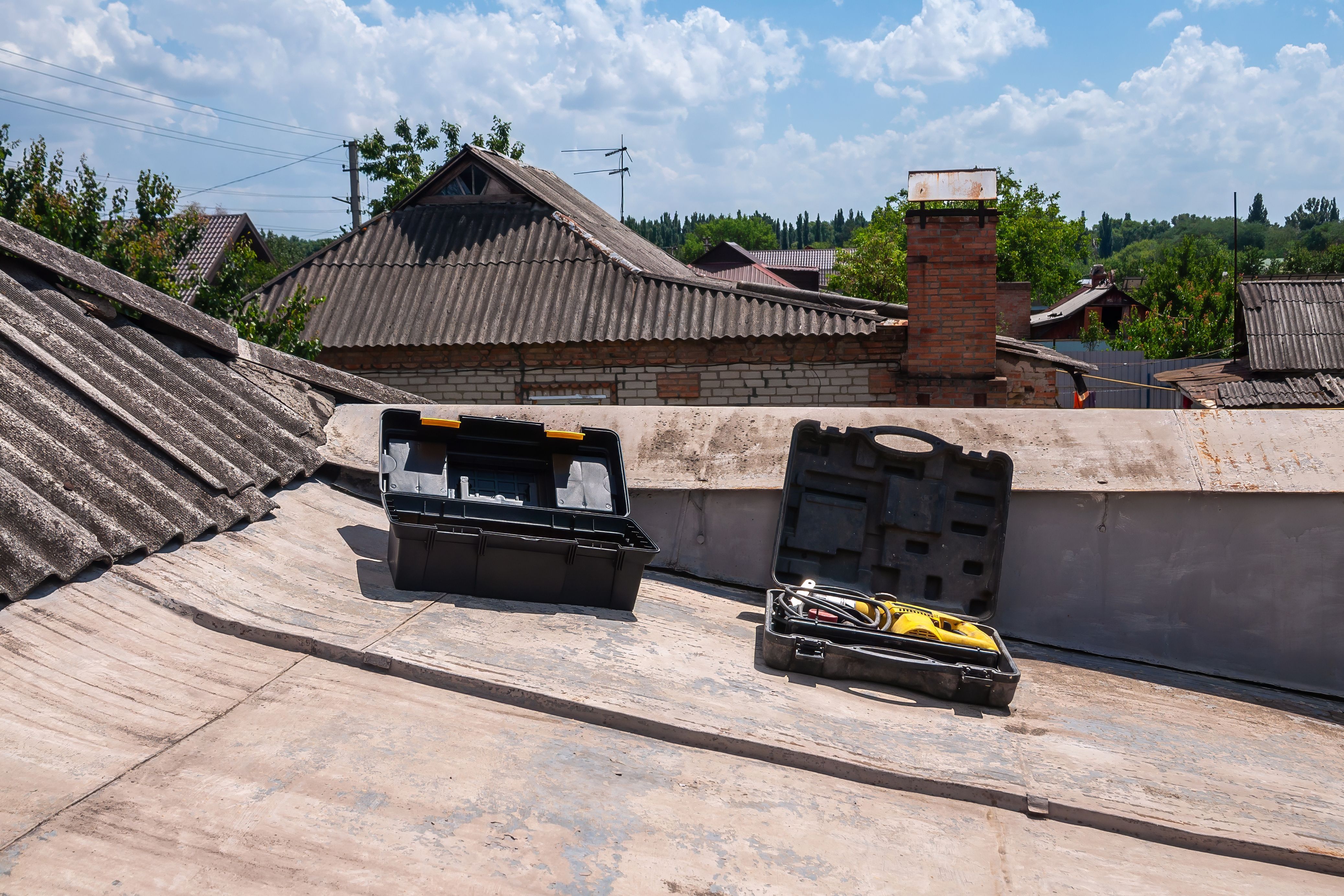
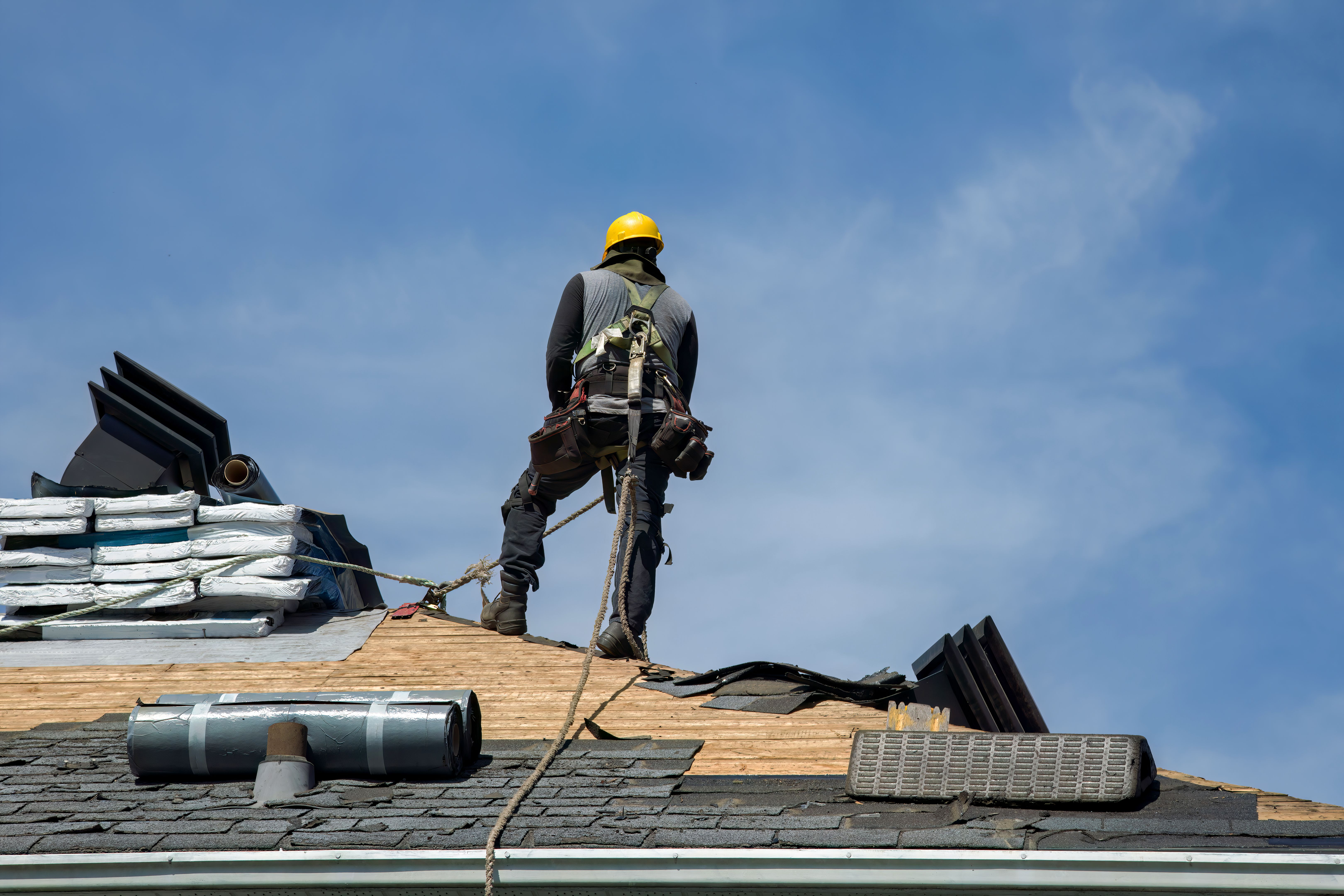
Having the right tools is essential for any DIY project. For minor roof repairs, you will need a hammer, roofing nails, sealant, a utility knife, and replacement shingles or tiles. Equally important is safety gear: wear non-slip shoes, a safety harness, and gloves to protect yourself during the repair process.
Replacing Shingles or Tiles
If you find damaged shingles or tiles, replacing them is a straightforward task. Carefully remove the damaged piece using a pry bar and install the new one, ensuring it aligns with the existing material. Secure it with roofing nails and apply sealant to prevent future leaks.
Fixing Minor Leaks
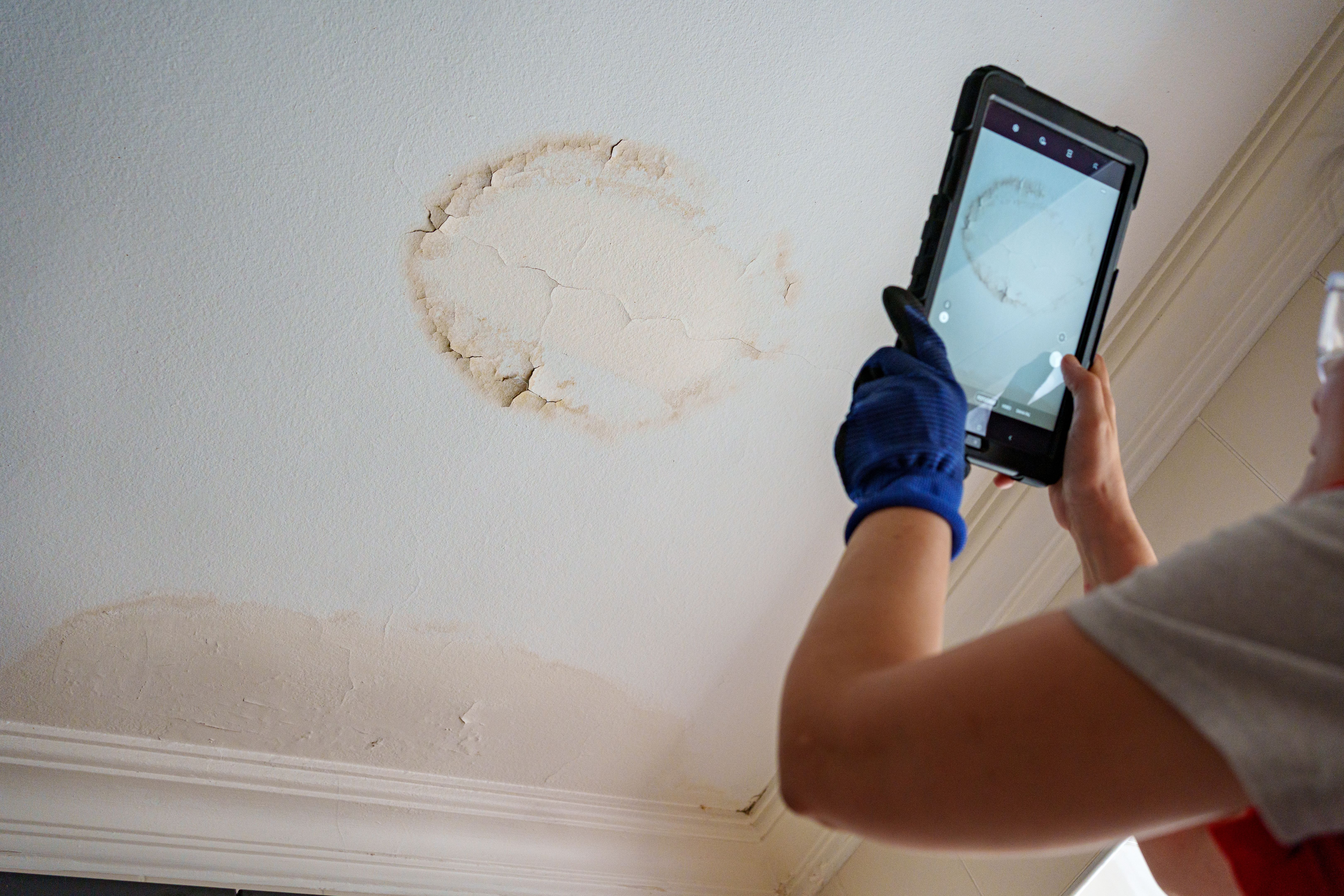
Leaks can be a common issue in older roofs. To fix a minor leak, locate the source and clean the area thoroughly. Apply a generous amount of roofing sealant or patching material and allow it to dry completely. This should help prevent water from seeping through during the next rainfall.
When to Call a Professional
While DIY repairs can be effective for minor issues, there are times when it's best to call in a professional. If the damage is extensive or if you're unsure about the repair process, hiring a roofing expert can ensure the job is done correctly and safely.
Regular Maintenance Tips
Regular maintenance can extend the life of your roof and prevent future issues. Clean gutters frequently to prevent water buildup, inspect your roof after storms, and trim overhanging branches that could cause damage. These small steps can make a big difference in keeping your roof in top condition.
Conclusion
DIY roof repairs can be a cost-effective way to handle minor issues, but it's important to know your limits. By understanding your roof type, using the right tools, and performing regular maintenance, you can keep your roof in great shape for years to come. Remember, safety should always be your top priority.