
How to Assess Storm Damage on Your Roof: A Step-by-Step Guide
Introduction
After a storm, one of the most critical things you can do is assess your roof for damage. Identifying issues early can prevent further problems and costly repairs. In this guide, we'll walk you through a step-by-step process to evaluate your roof's condition after a storm.
Safety First
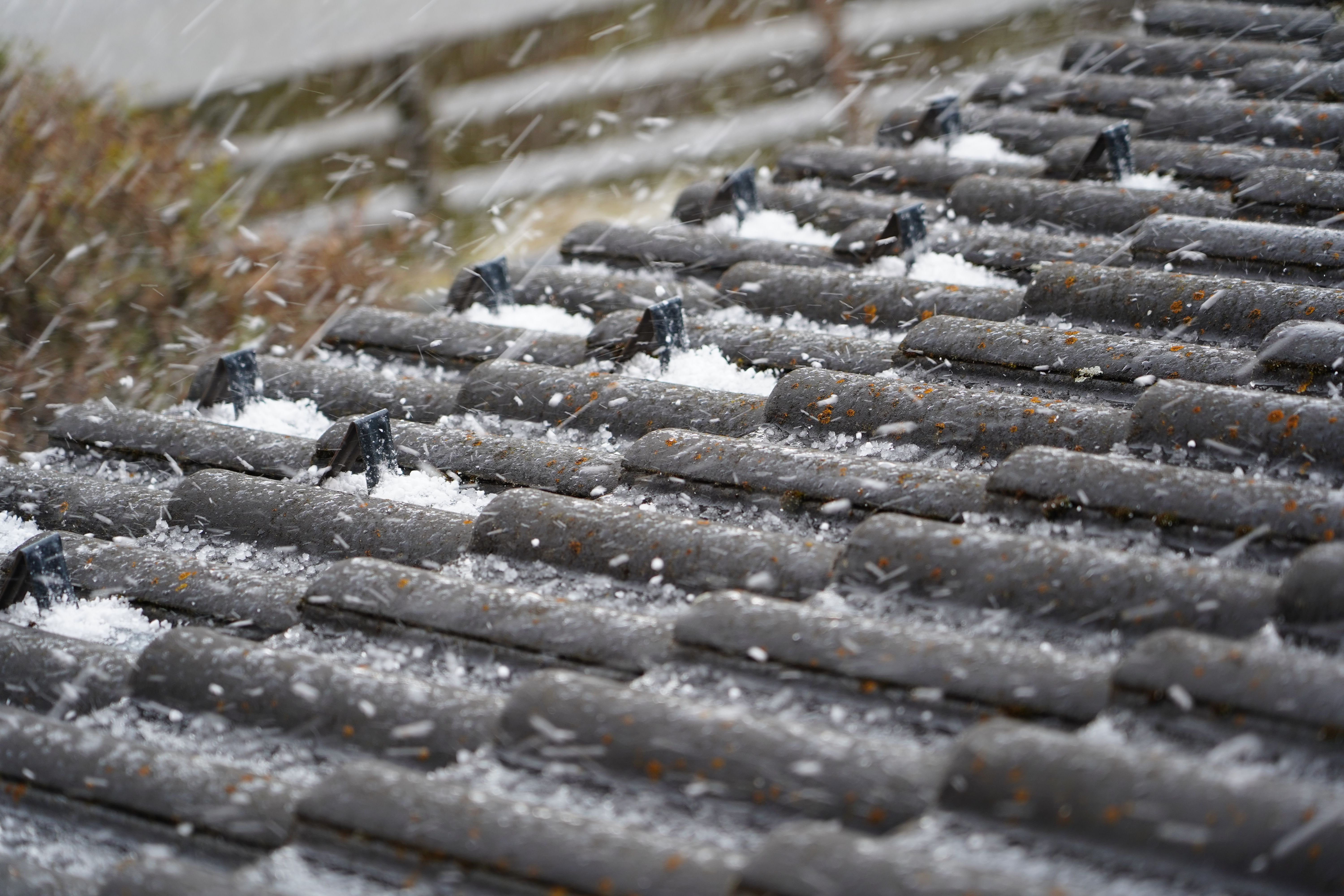
Before you begin your inspection, ensure your own safety. Avoid climbing onto the roof if conditions are still wet or windy. Use binoculars to check for visible damage from the ground. If you need a closer look, consider hiring a professional.
Check for Visible Damage
Start by examining your roof from the ground. Look for missing or broken shingles, sagging areas, and any debris accumulation. These signs often indicate potential damage that needs immediate attention.

Inspect Gutters and Downspouts
Next, inspect your gutters and downspouts. Clogged or damaged gutters can cause water to overflow, leading to further roof damage. Check for granules from asphalt shingles in the gutters, as this can be a sign of shingle wear.
Check for Leaks
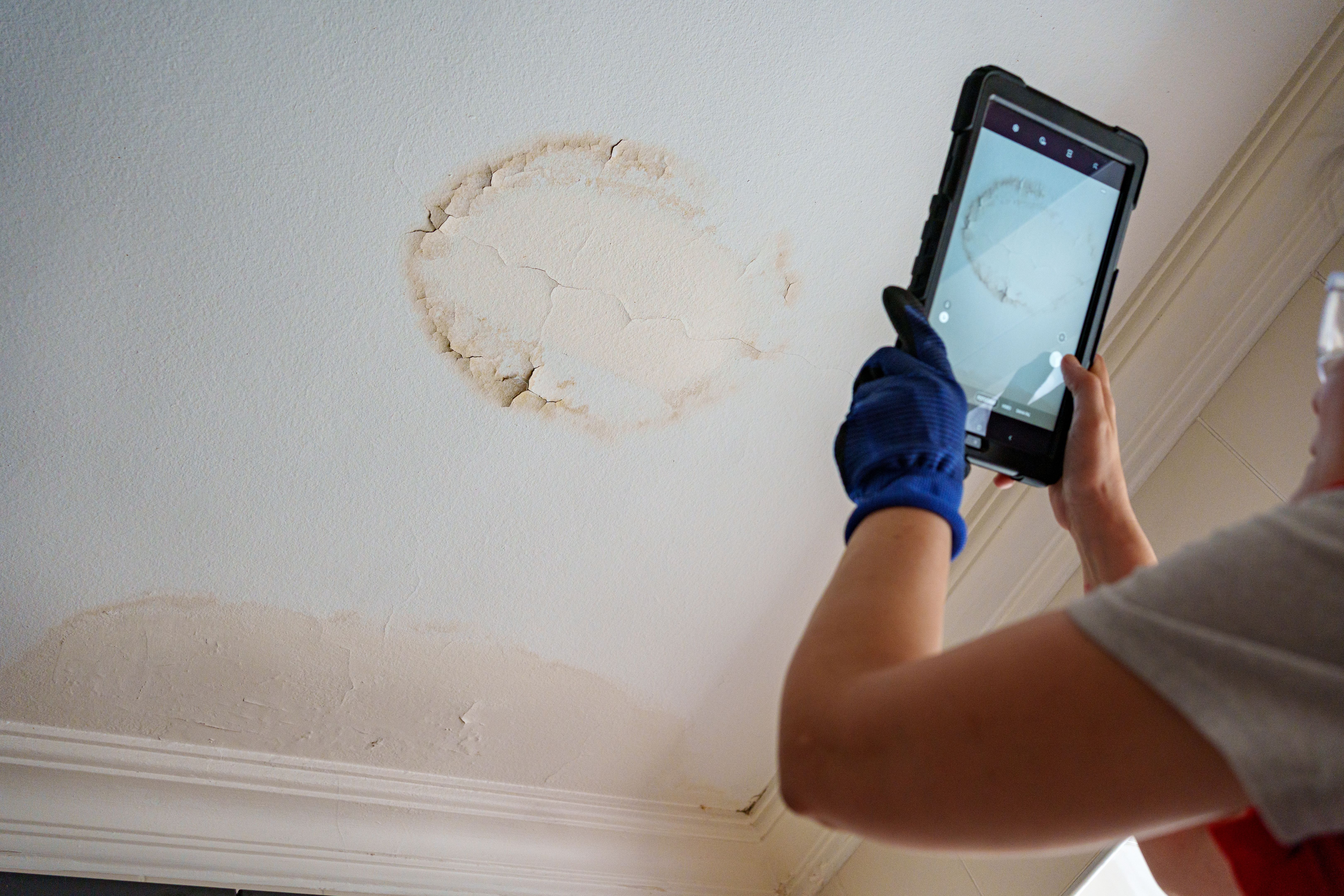
Inside your home, look for signs of leaks such as water stains on the ceiling or walls. Pay special attention to the attic, where leaks often first become noticeable. If you spot any signs of water intrusion, it's crucial to address these issues promptly.
Examine Flashing and Vents
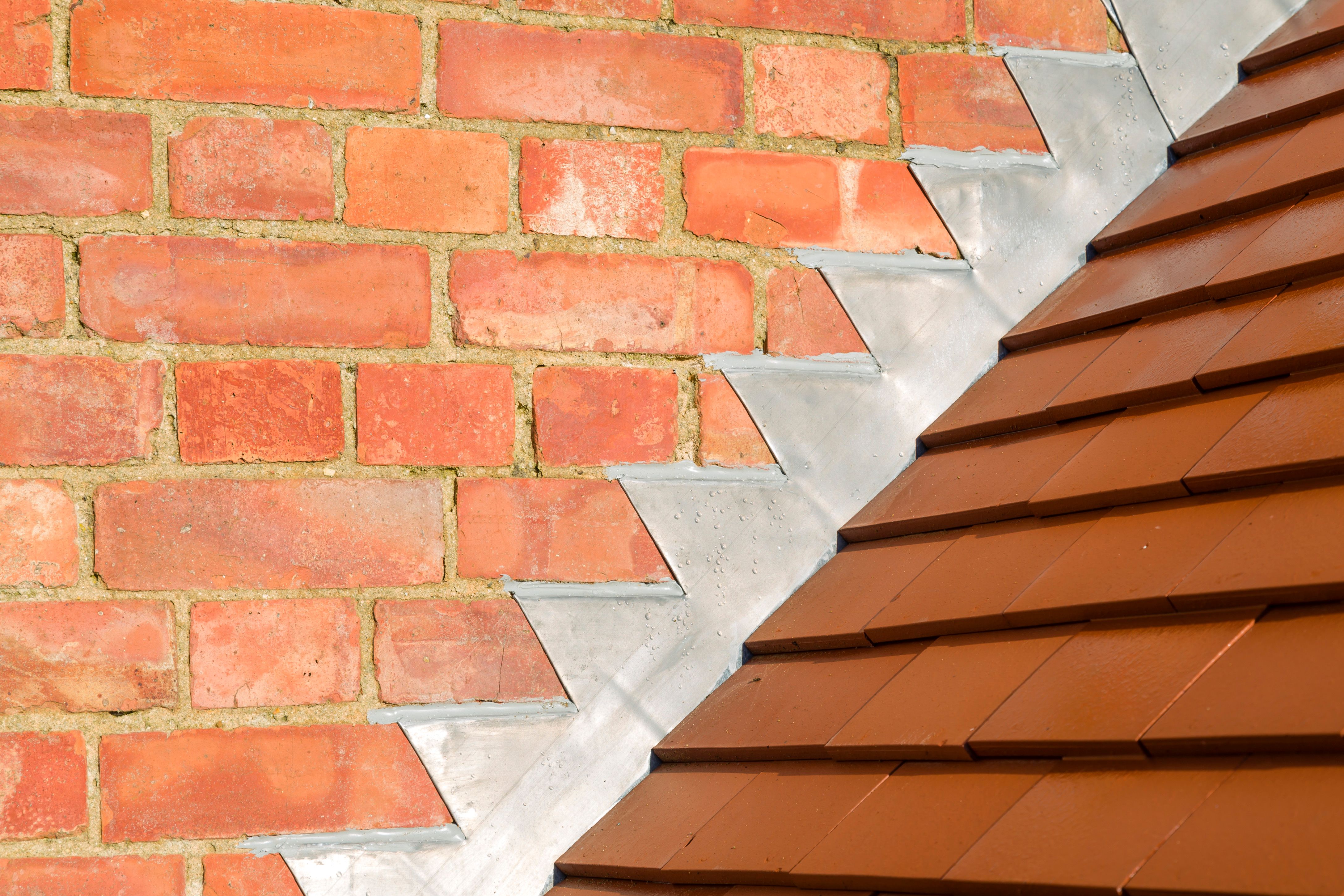
Flashing and vents are critical components of your roof system. Check around chimneys, skylights, and vents for any signs of damage or deterioration. Damaged flashing can lead to water infiltration, causing significant interior damage.
Assess the Roof Structure
If possible, examine the overall structure of your roof. Look for sagging or uneven areas, which may indicate structural damage. If you detect any issues, consult a professional to assess the extent of the damage and recommend repairs.
Document and Report
Take photographs of any damage you find. This documentation is useful when filing an insurance claim. Be detailed in your notes, describing the location and extent of the damage. This will assist both your insurance company and any contractors you may hire.
Contact Your Insurance Company
Once you have collected all necessary information, contact your insurance company to report the damage. Provide them with your documentation and be prepared to discuss the extent of the damage and any immediate repairs that may be necessary.
By following these steps, you can effectively assess storm damage to your roof and take the necessary actions to protect your home.