
How to Handle Emergency Roof Leak Repairs in Sugar Land: A Homeowner's Guide
Recognizing the Signs of a Roof Leak
As a homeowner in Sugar Land, dealing with a roof leak can be a daunting task. The first step in handling an emergency roof leak is recognizing the signs. Look for water stains on your ceiling, damp spots on walls, or even mold growth. These are clear indicators that your roof may be compromised.
Quick action is crucial, as even a small leak can lead to significant damage if left unaddressed. Regularly inspect your attic and ceilings for any signs of moisture. If you notice any, it's time to take action.
Immediate Steps to Take
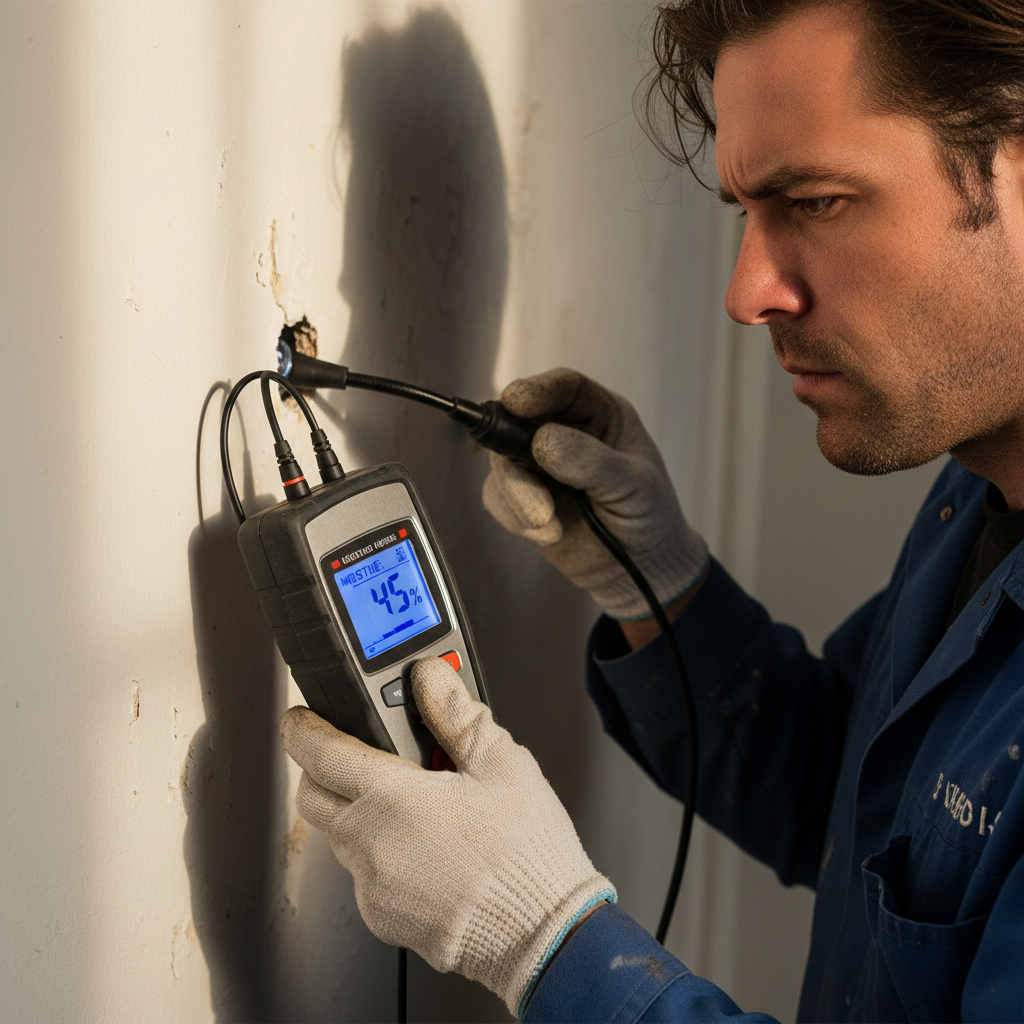
Once you've identified a leak, it's essential to minimize the damage. Start by moving any furniture or belongings away from the affected area to prevent water damage. Use buckets or containers to catch dripping water to protect your flooring.
Next, try to locate the source of the leak. While it might be challenging, checking the attic or roof for visible holes or damaged shingles can help. Temporarily patching the leak with roofing tape or tarps can prevent further water intrusion until professional help arrives.
Contacting a Professional Roofer
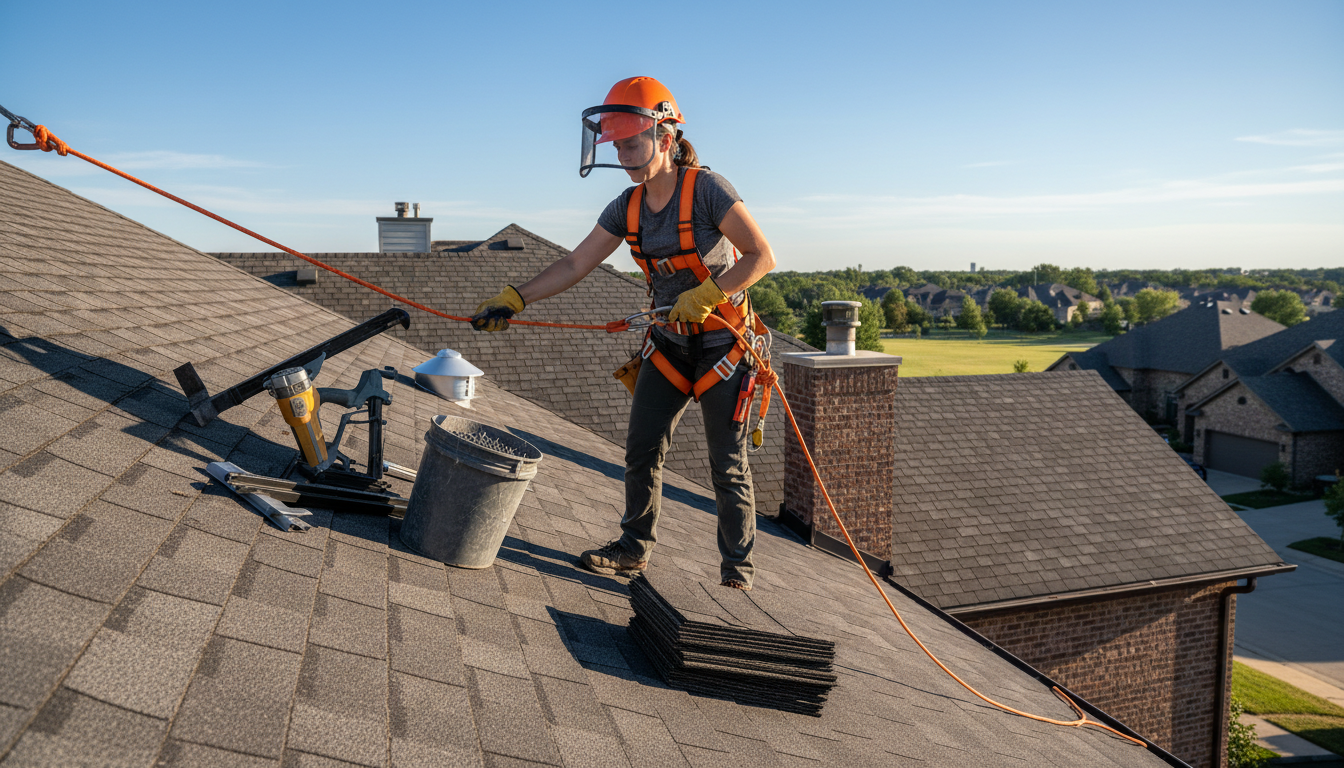
After taking immediate action, it's crucial to contact a professional roofer in Sugar Land. Look for licensed and insured contractors with positive reviews. Experienced roofers can quickly assess the damage and provide a lasting solution.
Ensure you discuss the extent of the damage, repair options, and costs upfront. A reliable contractor will offer a transparent estimate and guide you through the repair process.
Preventing Future Leaks
Once the immediate crisis is handled, consider implementing measures to prevent future leaks. Regular roof maintenance is key to extending the life of your roof and avoiding costly repairs. Schedule periodic inspections, especially after severe weather conditions.

Maintaining Your Roof
Keeping your roof in top condition involves cleaning gutters, trimming overhanging branches, and checking for loose or missing shingles. These simple tasks can prevent water from pooling on your roof and causing leaks.
Additionally, consider installing a moisture barrier or upgrading your roofing materials to more durable options, especially if your current roof is nearing the end of its lifespan.
Conclusion
Handling an emergency roof leak efficiently requires quick action and professional assistance. By recognizing the signs, taking immediate steps, and maintaining your roof, you can protect your home from water damage and extend the life of your roof.
Remember, proactive maintenance is always more cost-effective than reactive repairs. Keep your roof in check, and it will keep your home safe and dry.