
How to Identify and Address Storm Damage Roof Repair Needs
Understanding Storm Damage to Your Roof
Severe weather conditions can wreak havoc on your home, especially the roof. Identifying and addressing storm damage early is crucial to prevent more extensive repairs down the line. The roof is your home’s first line of defense against the elements, so ensuring it's in top condition is essential.
After a storm, it’s vital to conduct a thorough inspection of your roof. Look for signs of damage that may not be immediately visible from the ground. Addressing these issues promptly can save you money and prevent further problems.
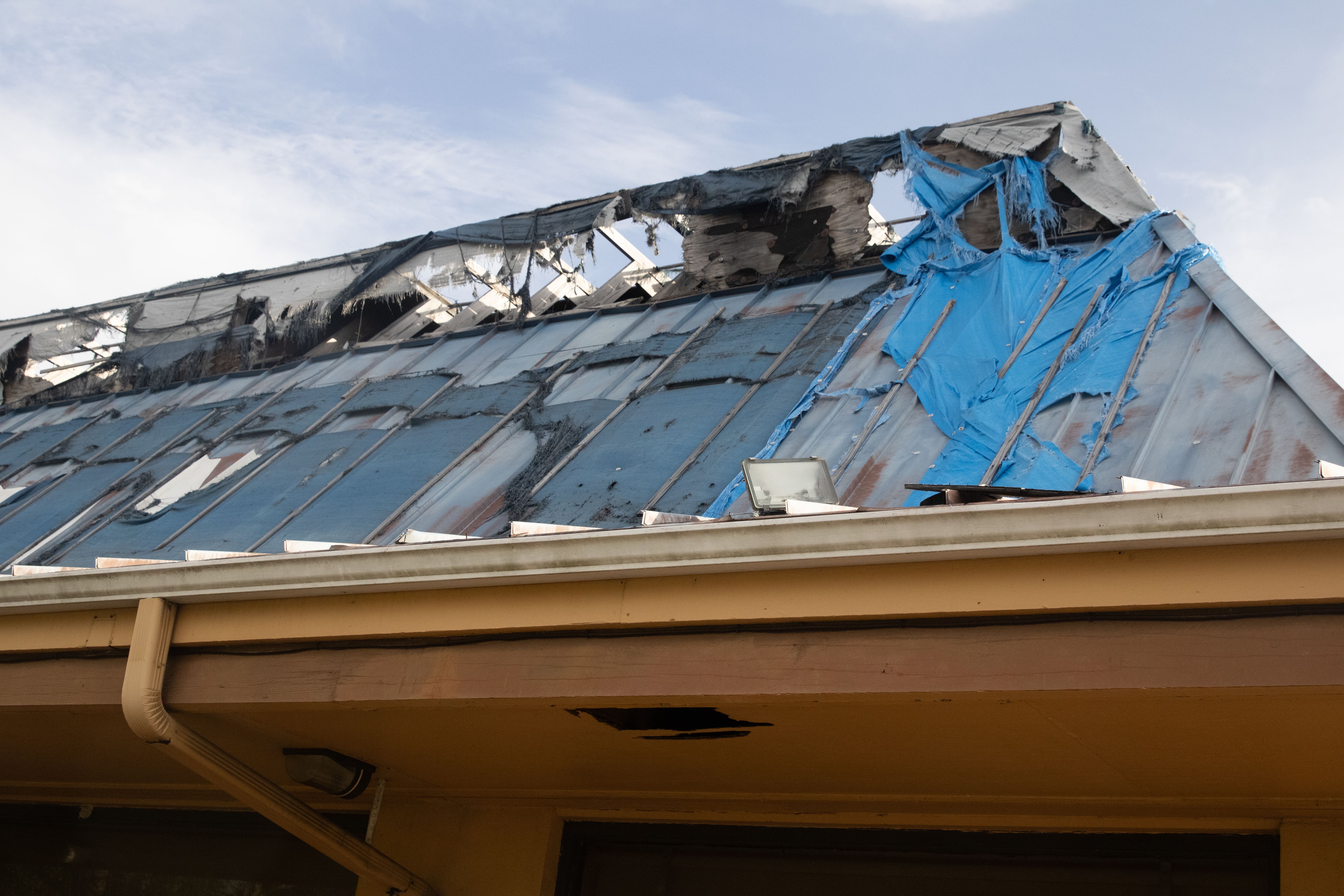
Signs of Roof Damage After a Storm
There are several signs that your roof may have suffered damage during a storm. These include:
- Missing or damaged shingles: High winds can rip shingles off your roof, leaving it vulnerable to leaks.
- Granule loss: Check your gutters for granules. A significant loss indicates shingle wear that needs attention.
- Water stains: Look inside your home for water stains on ceilings and walls, which might indicate a leak.
Additionally, inspect the attic for any signs of water intrusion or daylight peeking through the roof boards. These are critical indicators of potential problems.
Conducting a Safe Roof Inspection
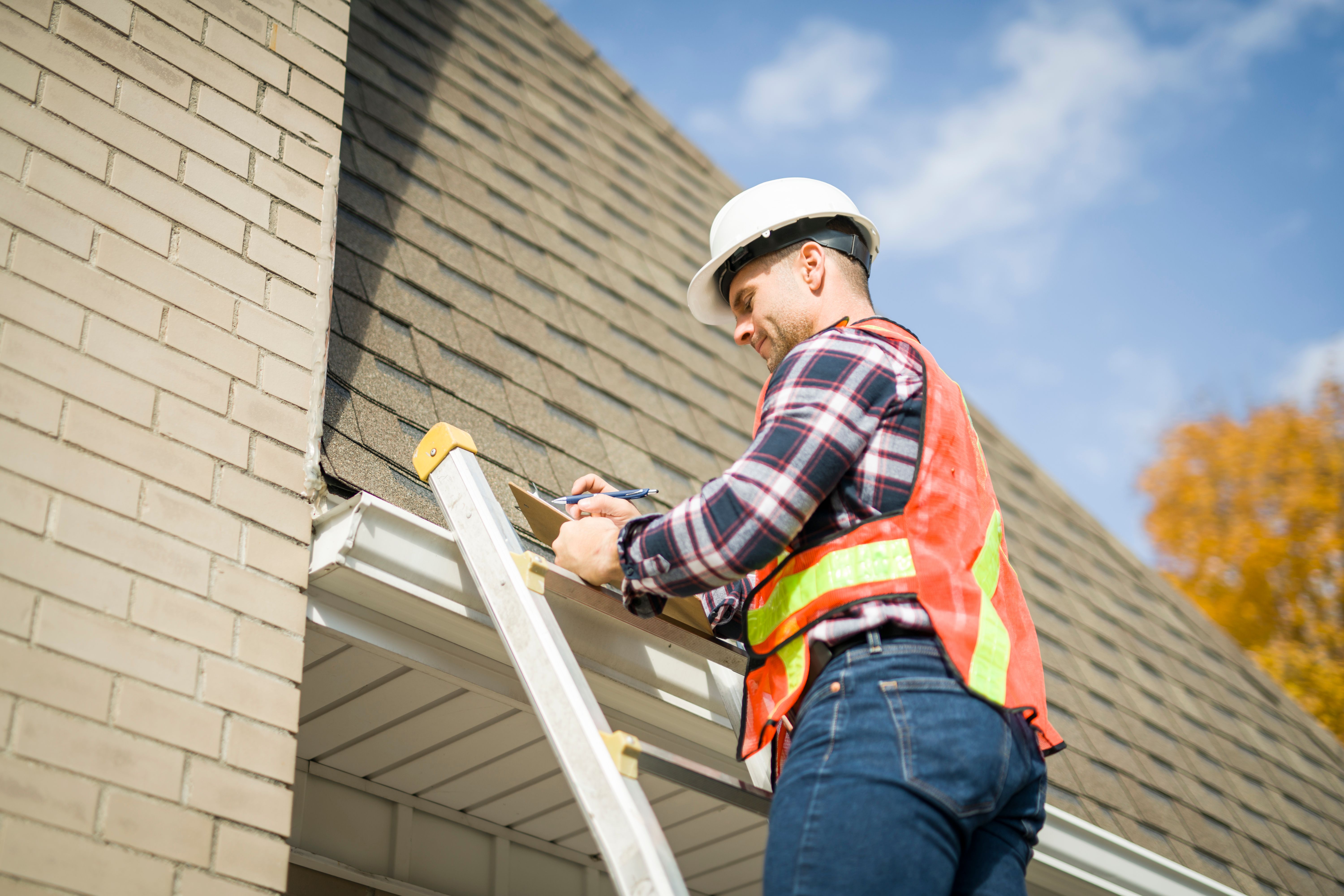
Before inspecting your roof, ensure it’s safe to do so. If you’re unsure, it’s best to hire a professional. However, if you choose to inspect it yourself, use a sturdy ladder and wear non-slip shoes. Never attempt an inspection during adverse weather conditions.
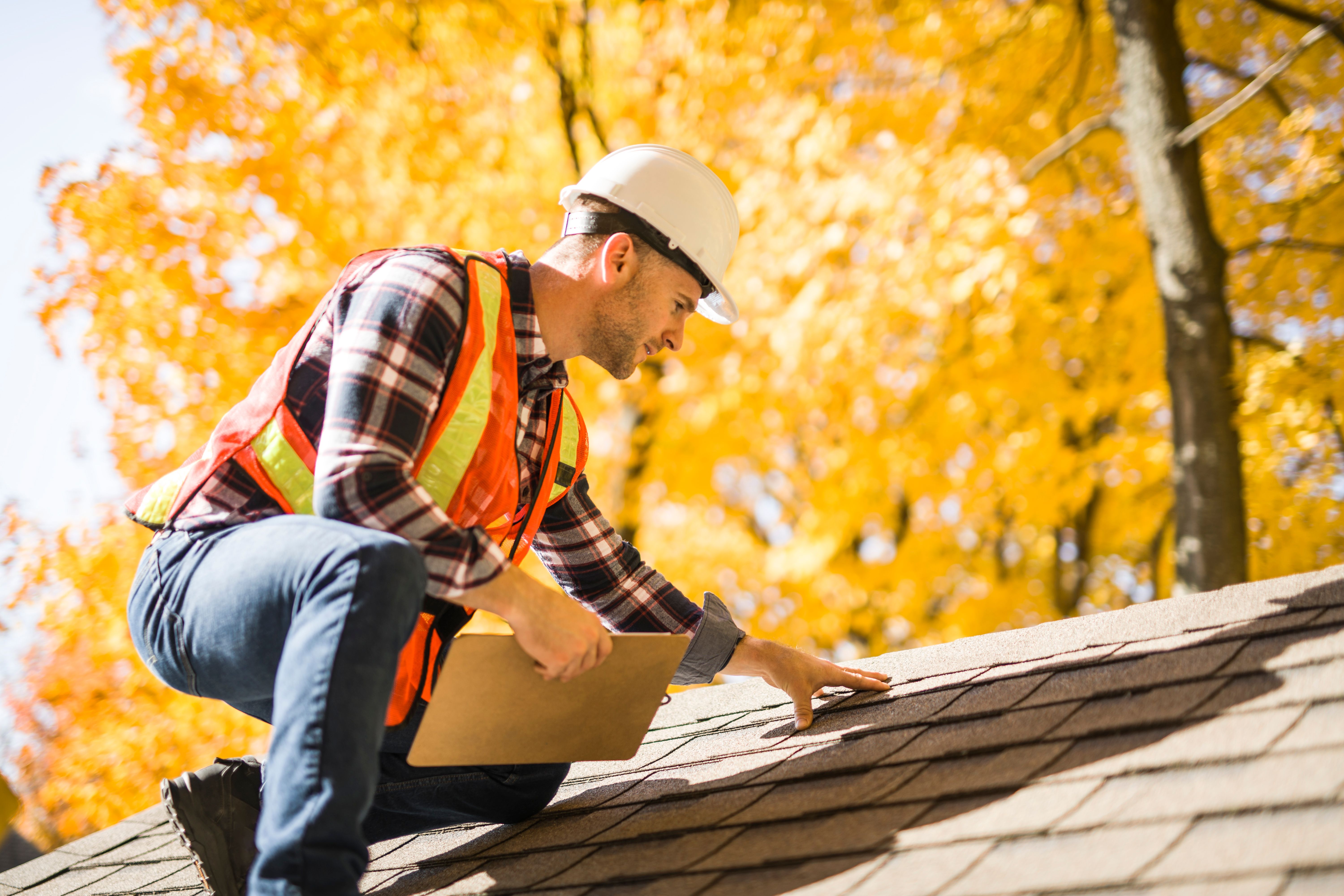
Walk around your property and use binoculars to get a closer look at your roof. This method allows you to spot issues without risking a fall. Pay attention to any visible signs of damage such as dents in metal flashing or loose roofing materials.
Addressing Roof Damage Efficiently
If you identify damage, it’s essential to address it quickly. Here’s how you can proceed:
- Document the damage: Take photos and notes about the condition of your roof.
- Contact a professional: A roofing contractor can provide a comprehensive assessment and repair estimate.
- File an insurance claim: If necessary, contact your insurance provider to discuss coverage for storm damage repairs.
Timely repairs can prevent further damage and extend the life of your roof. It’s a worthwhile investment in your home’s overall health and safety.
Preventive Measures for Future Storms
Once repairs are made, consider implementing preventive measures to mitigate future storm damage. Regular maintenance, such as cleaning gutters and trimming nearby trees, can reduce risks. Additionally, installing storm-resistant roofing materials can provide extra protection.
Stay proactive by scheduling regular roof inspections, especially after severe weather. This vigilance will help you catch potential problems early and maintain the integrity of your home’s roof for years to come.