What to Expect During a Roof Inspection: A Homeowner’s Guide
Understanding the Importance of Roof Inspections
Regular roof inspections are crucial for maintaining the integrity of your home. They help identify potential problems before they escalate into costly repairs. Whether you're buying a new home or maintaining your current one, understanding what to expect during a roof inspection can be immensely beneficial.
During a roof inspection, a professional will assess various aspects of your roof to ensure it is in good condition. This process can provide peace of mind, knowing that your roof is well-maintained and safe.
Initial Exterior Inspection
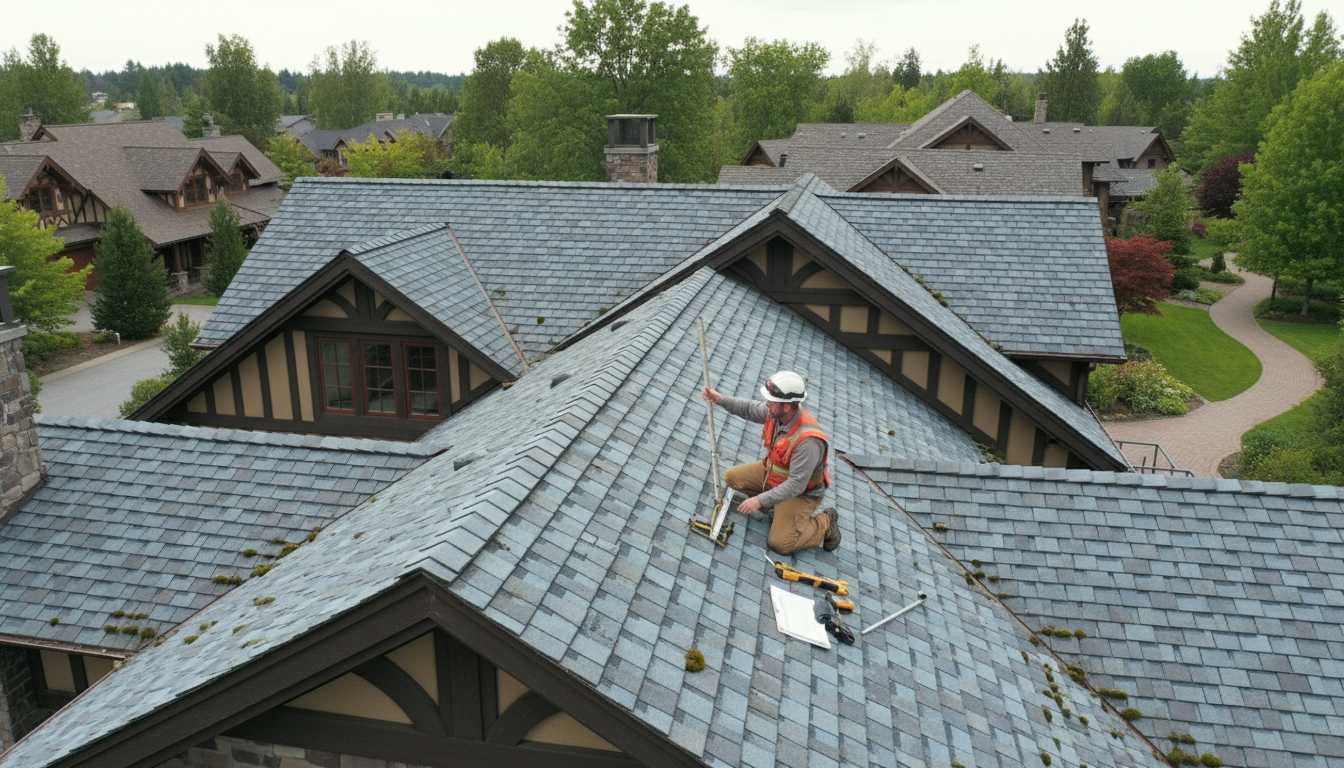
The inspection typically begins with a thorough evaluation of the exterior of your roof. The inspector will look for visible signs of damage, such as missing or broken shingles, mold, or mildew. Additionally, they will assess the condition of gutters, downspouts, and other drainage systems.
Flashing, which is used to seal and protect joints and seams, will also be checked for any signs of wear or damage. Proper flashing is essential to prevent water leaks and other potential issues.
Interior Inspection
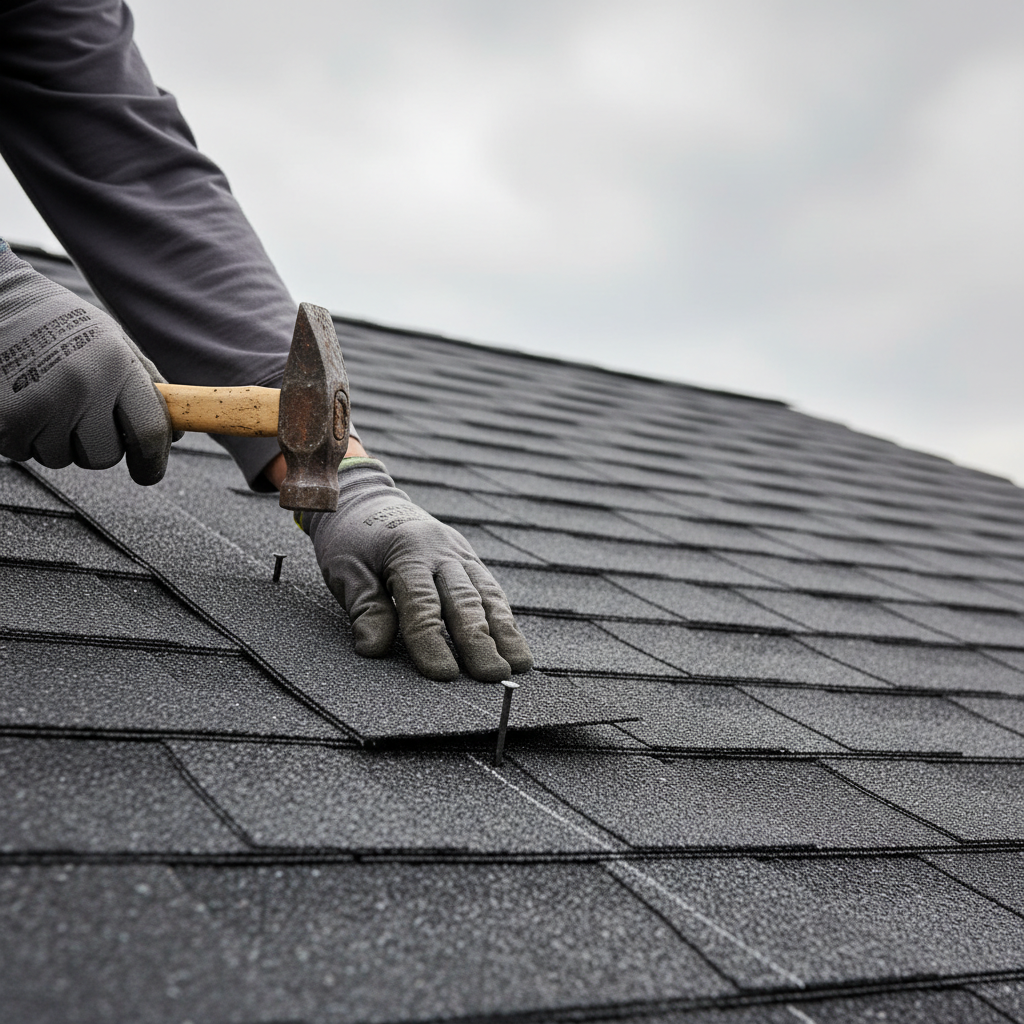
After the exterior has been assessed, the inspector will move inside to examine the attic or crawl space. This part of the inspection is important for identifying any leaks, mold, or water damage that may not be visible from the outside.
They will also look for signs of ventilation problems, which can lead to moisture buildup and reduce the roof's lifespan. Proper ventilation is key to maintaining a healthy roof structure.
Common Issues Identified
During a roof inspection, several common issues may be identified, including:
- Damaged or missing shingles
- Poor or damaged flashing
- Blocked or damaged gutters
- Signs of water damage or leaks
- Inadequate ventilation
Post-Inspection Report
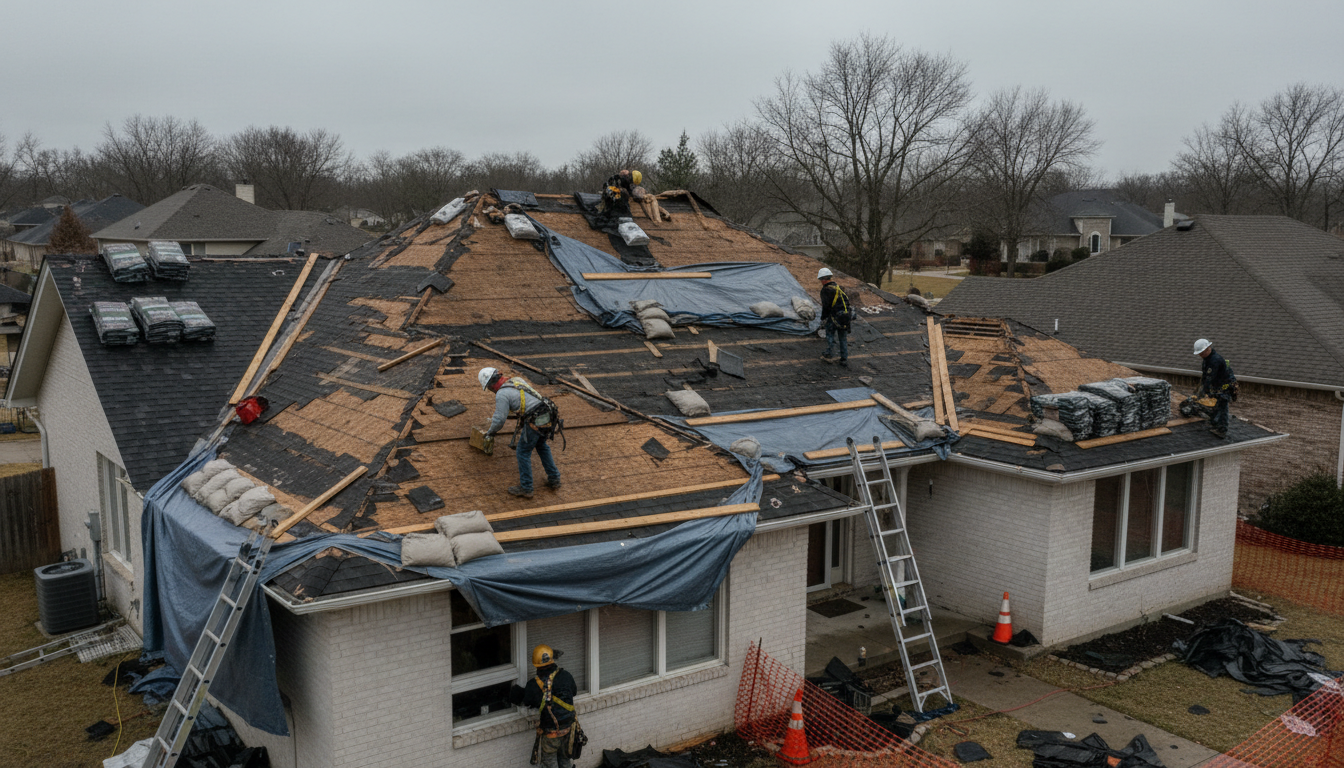
Once the inspection is complete, the inspector will provide a detailed report outlining their findings. This report will include any issues detected, along with recommendations for repairs or maintenance. It serves as a valuable tool for planning any necessary work on your roof.
Understanding the report is crucial, as it helps prioritize repairs and ensures that any potential issues are addressed promptly. This proactive approach can save homeowners time and money in the long run.
Benefits of Regular Roof Inspections
Regular roof inspections offer numerous benefits, including extending the lifespan of your roof, preventing costly repairs, and ensuring the safety and comfort of your home. By staying informed about the condition of your roof, you can make informed decisions about maintenance and repairs.
Ultimately, investing in regular roof inspections is a smart move for any homeowner. It not only protects your home but also provides peace of mind knowing that your roof is in optimal condition.