
What to Expect During a Roof Inspection: A Homeowner's Guide
Understanding the Importance of Roof Inspections
As a homeowner, maintaining the integrity of your roof is crucial. Regular roof inspections help identify potential issues before they become costly problems. Understanding what to expect during a roof inspection can make the process smoother and more beneficial.
Inspections are typically conducted by professional roofers who are trained to spot signs of damage and wear. These experts assess various elements to ensure your roof is in top condition. Whether you're preparing for a change in season or planning a home sale, a roof inspection is a wise investment.
Initial Assessment and Safety Measures
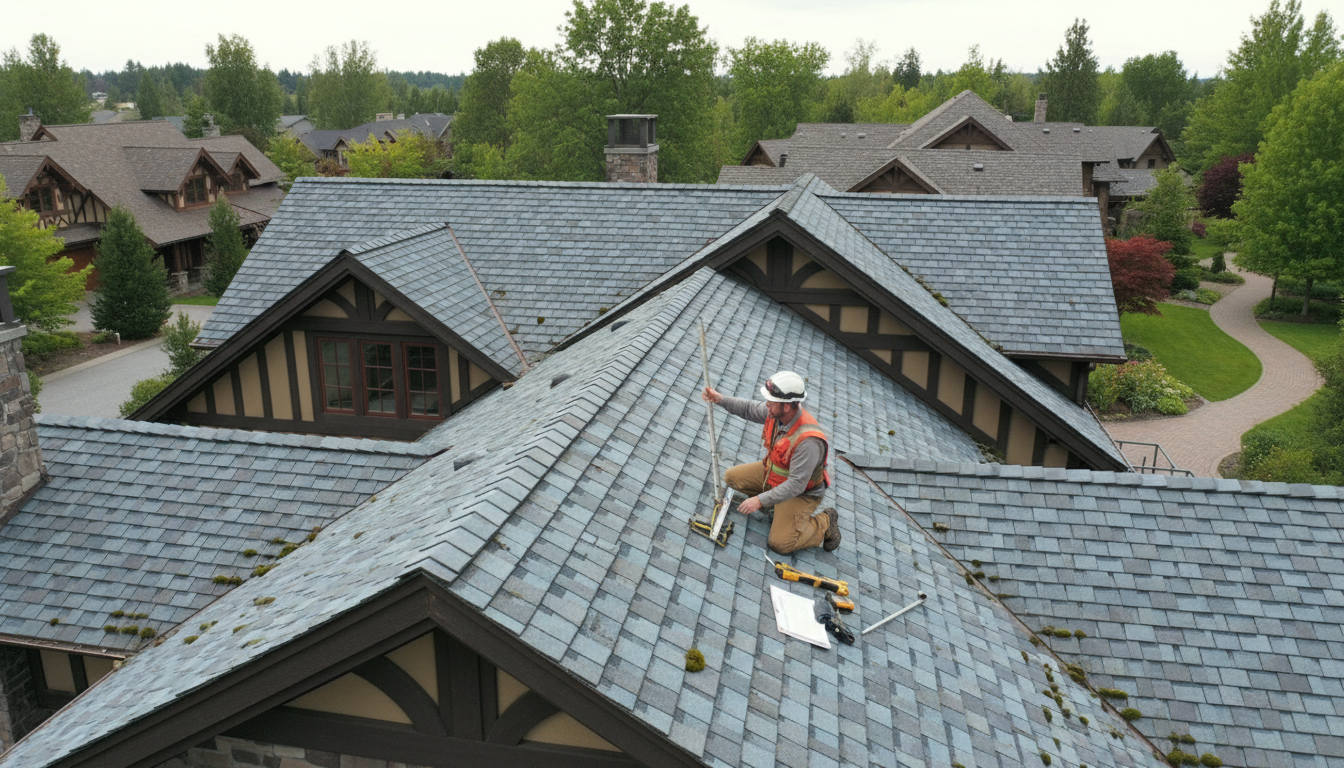
The first step in a roof inspection is an initial assessment. The inspector will examine your roof from the ground, looking for obvious issues such as missing shingles or sagging areas. Safety is paramount, so expect the inspector to use proper gear and equipment.
During this phase, the inspector might ask questions about the roof's age and any past issues. This information helps them focus on areas that might require closer attention.
Checking for Structural Damage
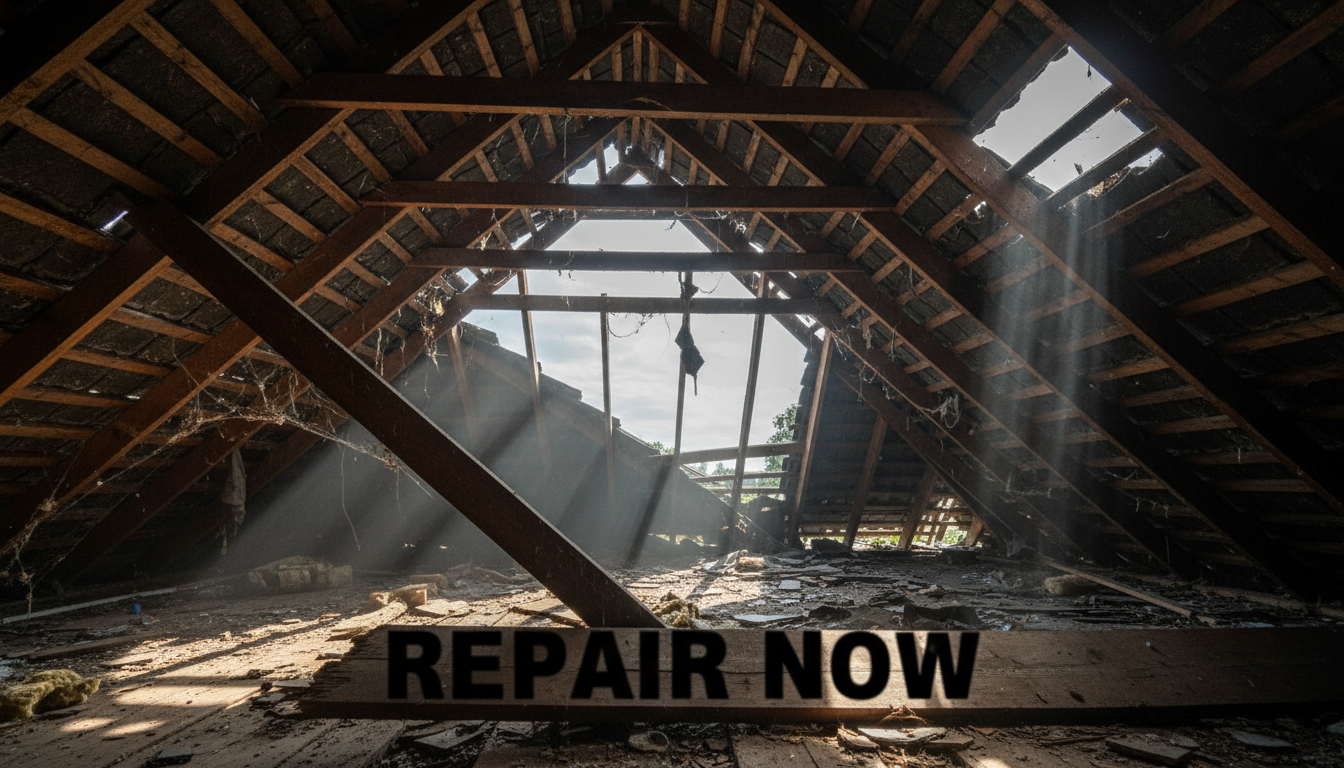
Structural integrity is a key focus during an inspection. Inspectors will look for signs of water damage, rot, or other structural issues. These could include warped or rotting wood, which might compromise the roof’s ability to protect your home.
Examining Roof Materials
Different roofing materials have distinct characteristics and vulnerabilities. The inspector will closely examine the material used on your roof, checking for deterioration, moss, or algae growth. For instance, asphalt shingles might be checked for granule loss, while metal roofs are inspected for rust or corrosion.
During this examination, the inspector may take note of any repairs needed immediately and those that can be planned for future maintenance.
Inspecting the Gutters and Drainage
Proper drainage is essential to prevent water damage. Inspectors will check gutters and downspouts to ensure they are clear of debris and functioning correctly. Clogged gutters can lead to water pooling and potential damage to the roof and home structure.

They will also verify that gutters are securely attached and appropriately pitched to direct water away from your house.
Reviewing Attic and Interior Spaces
An often-overlooked area during roof inspections is the attic. Inspectors will look for signs of leaks, mold, or poor ventilation, which can indicate roof problems. They might also check for insulation issues that could affect your home’s energy efficiency.
Inside your home, the inspector may look for water stains on ceilings or walls, which can be telltale signs of roof leaks.
Final Report and Recommendations
After the inspection, you'll receive a detailed report outlining the findings. This report will include photographs and descriptions of any issues discovered, along with recommendations for repairs or maintenance.
It's important to address any major concerns promptly to prevent further damage. The report will also provide a timeline for when you should schedule your next inspection, helping you stay proactive in maintaining your roof's health.
Understanding what to expect during a roof inspection empowers you as a homeowner. By staying informed and addressing issues early, you can extend the lifespan of your roof and maintain the safety and value of your home.